
A Potential Solution to Climate Catastrophe
Ocean Iron Fertilization — what's right about this solution is also what's wrong

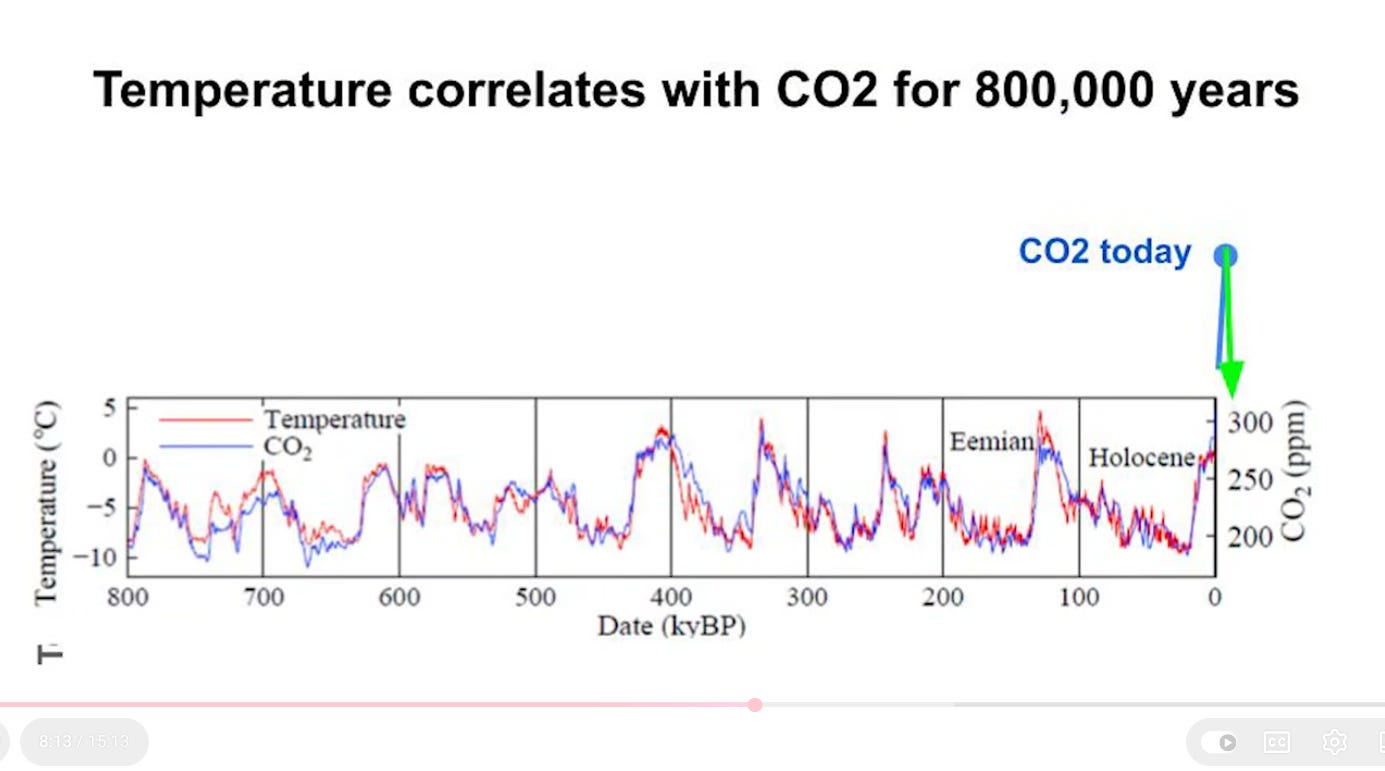
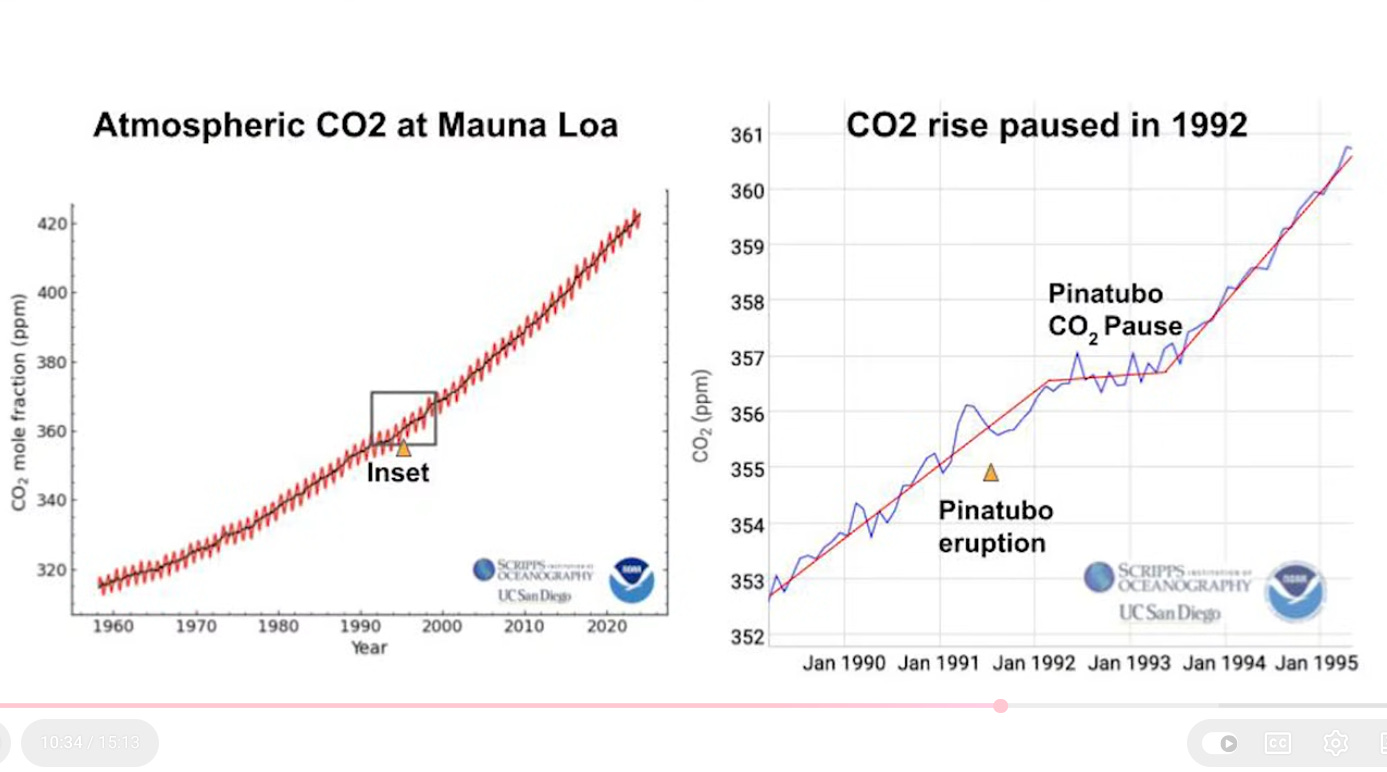
I’m going to count this as possibly positive news, something to leaven the bread of our recent meals, to lighten the heavy loaf we’re given each day.
Possibly positive news. You see why in a minute.
Ocean Iron Fertilization
The climate crisis, now nascent, concerns us all, even those who feel its effects but deny its cause. No one wants their home to be uninsurable; no one wants to watch their coastal town eaten by ocean erosion or murdered by storms. New York is a coastal town, as are Miami, L.A., Mobile and a great many more. That’s a lot of property owners who could lose everything.
But where’s the solution that’s acceptable to the billionaire class, the only people with power?
MIT-trained physicist Peter Fiekowsky thinks he has one, Ocean Iron Fertilization (OIF), and it sounds pretty promising. It’s a “hacking the planet” idea, which I’m generally against, but unlike most geo-engineering proposals, this appears to be low risk with potentially high reward. It’s also fast.
Watch this short video (15 minutes in length; you can start at 7:17 for just the meat). Then we’ll discuss.
The key assertion (rephrased):
Mount Pinatubo’s iron-rich ash fell on 0.1% of the whole ocean area. If we reproduce this rate of CO2 removal in 0.5% of the ocean’s area, we could restore safe CO2 levels in 25 years — by 2050.
There’s grit in the video — neoliberal assumptions about how climate restoration is “our” job, not the government’s. But that’s not the main point. Could this be done? Is it safe? Would it work as he says?
Discussion and Places to Start
A look at the comments about this idea is useful. Here are some places to start.
A review by Earth.org of a 2022 book by Fiekowsky and Douglis on the general topic of climate restoration identifies the most widely cited reservations. (The book is being revised to emphasis Ocean Iron Fertilization as the authors’ preferred solution. The 2022 version considered and dismissed other ideas.)
On the one hand, it [OIF] removes CO2 from the atmosphere without reducing emissions, so critics have seen it as an unethical threat to the UN climate goals. On the other hand, studies such as this one carried out by the MIT suggest that seeding the oceans with iron may not impact climate change after all. In addition, an experiment conducted in 2011 by the eccentric entrepreneur Russ George in Haida Gwaii (an archipelago off British Columbia’s west coast, in Canada) reportedly led to a record salmon harvest the next year, but it also got George accused of illegal dumping and trying to curb climate change unilaterally, which experts saw as frightening.
This Wikipedia page does a good job of summarizing this and other “complications”, including algae blooms and negative effects on fisheries and cloud formation.
Other links to explore:
MIT Tech Review: “These startups hope to spray iron particles above the ocean to fight climate change”
MIT News: “Seeding oceans with iron may not impact climate change”
Project Save The World podcast: Episode 607 Iron, Oceans, Climate
Andrew Gaines, Medium: Ocean Iron Fertilization
What’s Right Is Also What’s Wrong
On balance, I think this could work. I see no other solution that represents a real way out. Getting off of the oil-and-gas train is not going to happen; the billionaires own too much of it. The other engineering solutions seem both dangerous and pie-in-the-sky. This one could be — could be — both safe and fast. And fast is what we all need.
On the other hand, what’s right about this is also what’s wrong.
Quoting Earth.org: “it removes CO2 from the atmosphere without reducing emissions”. Which means, it gives our current elite — our rulers, if you will — permission to not change a thing. Not change energy use. Not change earth exploitation. Not stop harvesting wealth. Not stop the pathological few and from controlling our lives.
I’m not sure everyone I know would make that trade — bad lives continue to get worse, our billionaires still float on their wealth, the rape of the world continues, and the big one, the jackpot — collapse — is merely pushed out until something else makes the world fail. Some would not favor that.
It’s an interesting problem, right? Will it work? Should we do it?
>the big one, the jackpot — collapse — is merely pushed out
We will very much see about that, won't we? Warming is a very big component of it, but it's not called the Polycrisis for nothing.
Iron is necessary for oxidative metabolism, but too much iron causes metbolic stress. Writ large in humans, you have iron deficiency and you have hemochromatosis. Iron can stimulate microbial growth and that of other life forms, but you are fucking around with the ecology of the world with consequences that cannot be fully mapped out. The hutzpah of the technocrat, Icarus syndrome. There are other solutions that do not have the same readily apparent risk, eg, in Ministry for the Future working to prevent iceberg slippage into the antartic ocean.
Even more basic, how about working to create a will to prevent climate change, as we bckslide on world CO2 goals.